How it works
Four steps, one loop. Free native trees, real fieldwork, and a lesson that ends on the shoreline.
1. Collect
Start with a seed, spark a movement
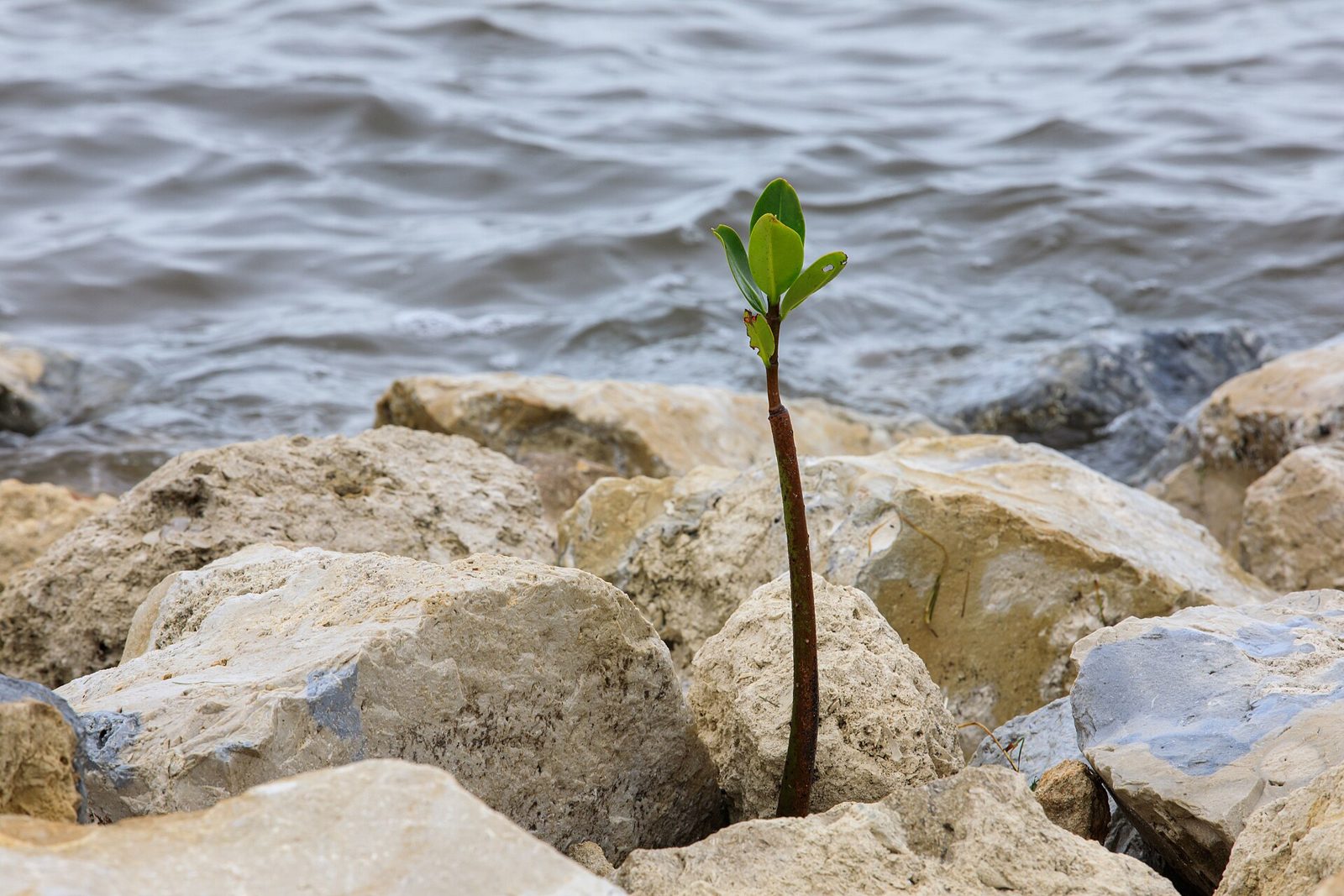
Students and volunteers become citizen scientists, gathering native propagules that wash ashore.
Every tide washes mangrove propagules ashore. Thousands of them. Most dry out and die.
- Free. The trees are already on the beach.
- Local. Collected from the coastline we restore, so they’re adapted to it.
- Real fieldwork. Students log where, when, and in what condition they found each one.
2. Grow
Your class pet, our planet's future
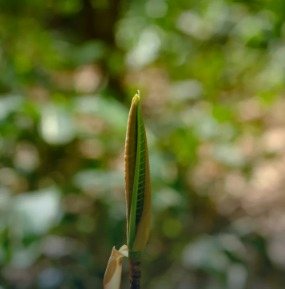
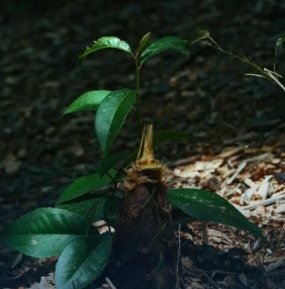
Each seedling becomes a living lesson, growing alongside its caretaker.
- A class pet. Students check the water, watch new roots and leaves, and give them names.
- Patience and responsibility, learned by doing, not by worksheet.
- Grow-out time: 6 to 15 weeks in a jar of water.
Teachers track every seedling, check-in, and photo in the teacher portal.
3. Learn
Learn the science. Lead the change.
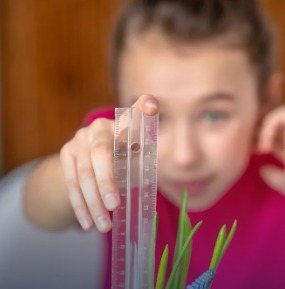
Hands-on experiments and a state-aligned curriculum show how mangroves really work.
- Blue carbon: how mangroves store carbon.
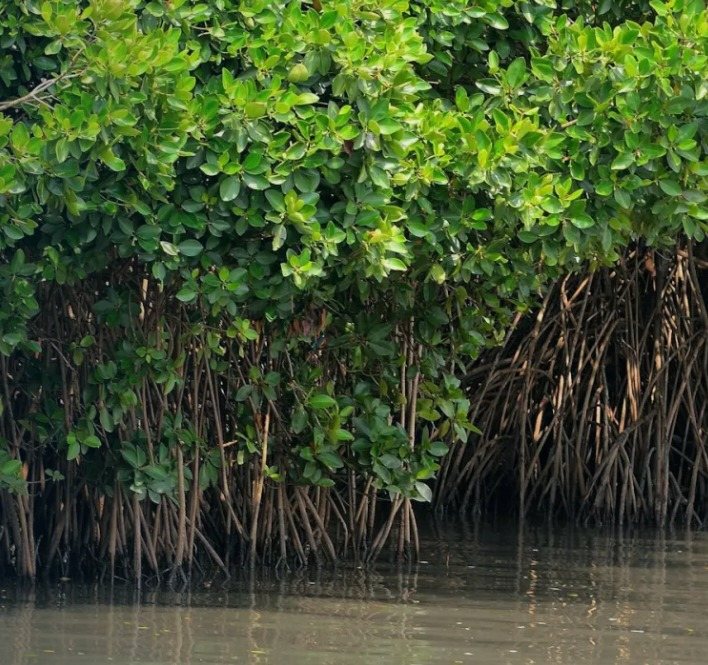
- Coastal resilience: how roots protect shorelines.
- Marine life: how the forest feeds and shelters fish.
Example lesson: Carbon (Balloon) Capture.
4. Replant
From classroom cup to coastal forest
Students return their "pets" to the wild, turning learning into legacy.
- Planting day. Seedlings go in along degraded shorelines at local partner sites.
- Built to last. Planted at the right elevation for the tides, with survival tracked yearly.
- The loop restarts. Next year’s class collects new propagules.