About My Pet Mangrove
A youth-led program built on one idea. Protecting mangroves doesn't require a marine science degree. It starts with caring.
Where it started
Two things, a few miles apart.
On the shore, every tide washes mangrove propagules ashore. Thousands of them. Most dry out and die.
In the classroom, students learn about coastal ecosystems from slides and textbooks.
What if every one of those propagules became a student's responsibility?
Our founder
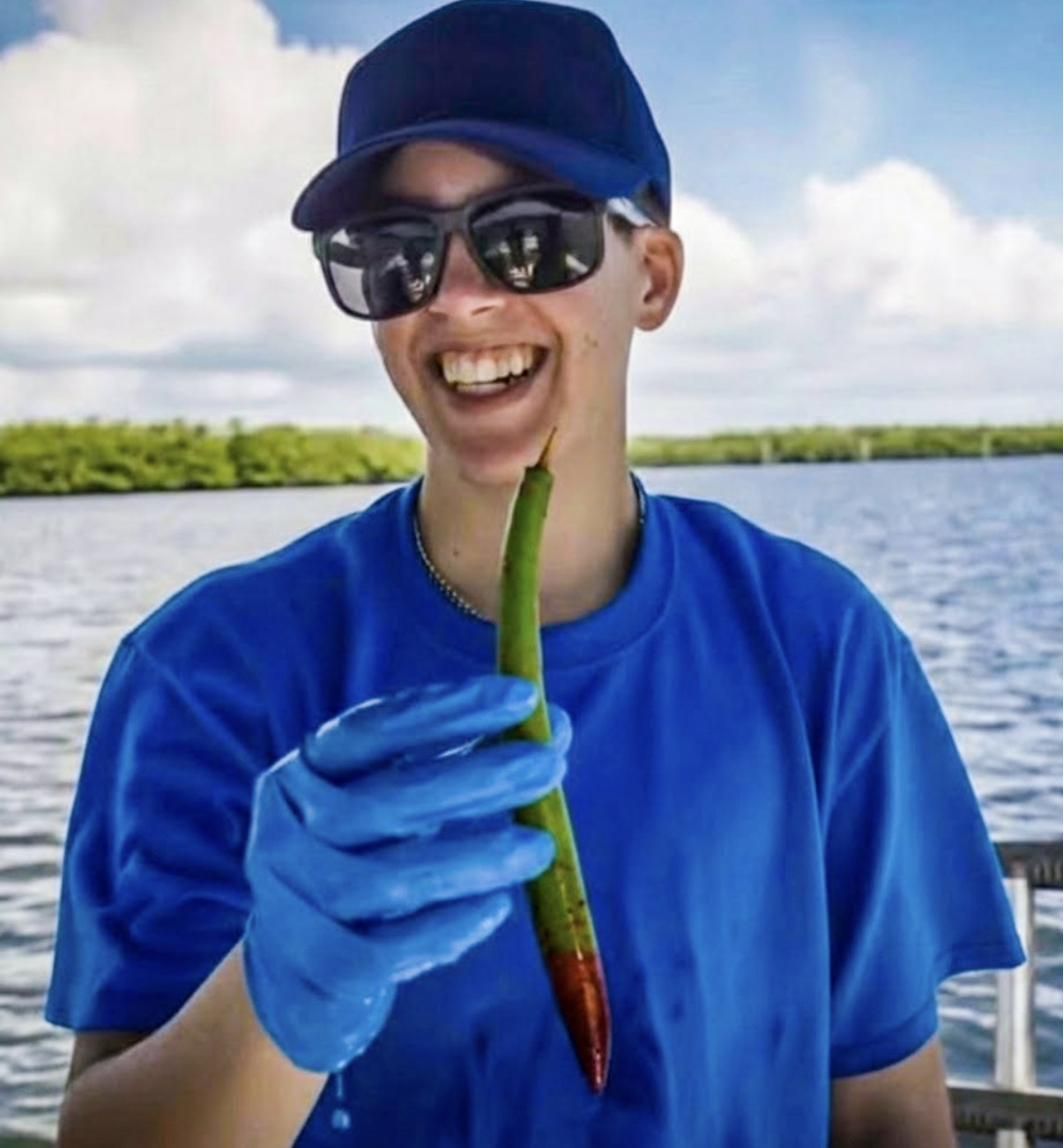
Alex Webster, Founder and CEO
Alex Webster is an internationally recognized marine researcher, ocean advocate, and youth leader whose lifelong commitment to protecting coastal ecosystems was shaped by growing up along Florida's ever-degrading Indian River Lagoon.
By age eight, Alex had logged over 150 volunteer hours dedicated to coastal preservation, emerging as a small, yet powerful, voice for sustainability. Through middle and high school, Alex researched human-made stressors in marine systems with Florida institutes and universities, and presented findings worldwide to inform Florida policy.
The lesson: a great finding doesn’t restore anything if nobody hears it.
Alex envisions a future where every student becomes both a scientist and a steward, proving that sustainability begins not in policy or theory, but in curiosity, care, and the simple act of planting a seed.
From the field
Research, fieldwork, and outreach behind My Pet Mangrove.
-
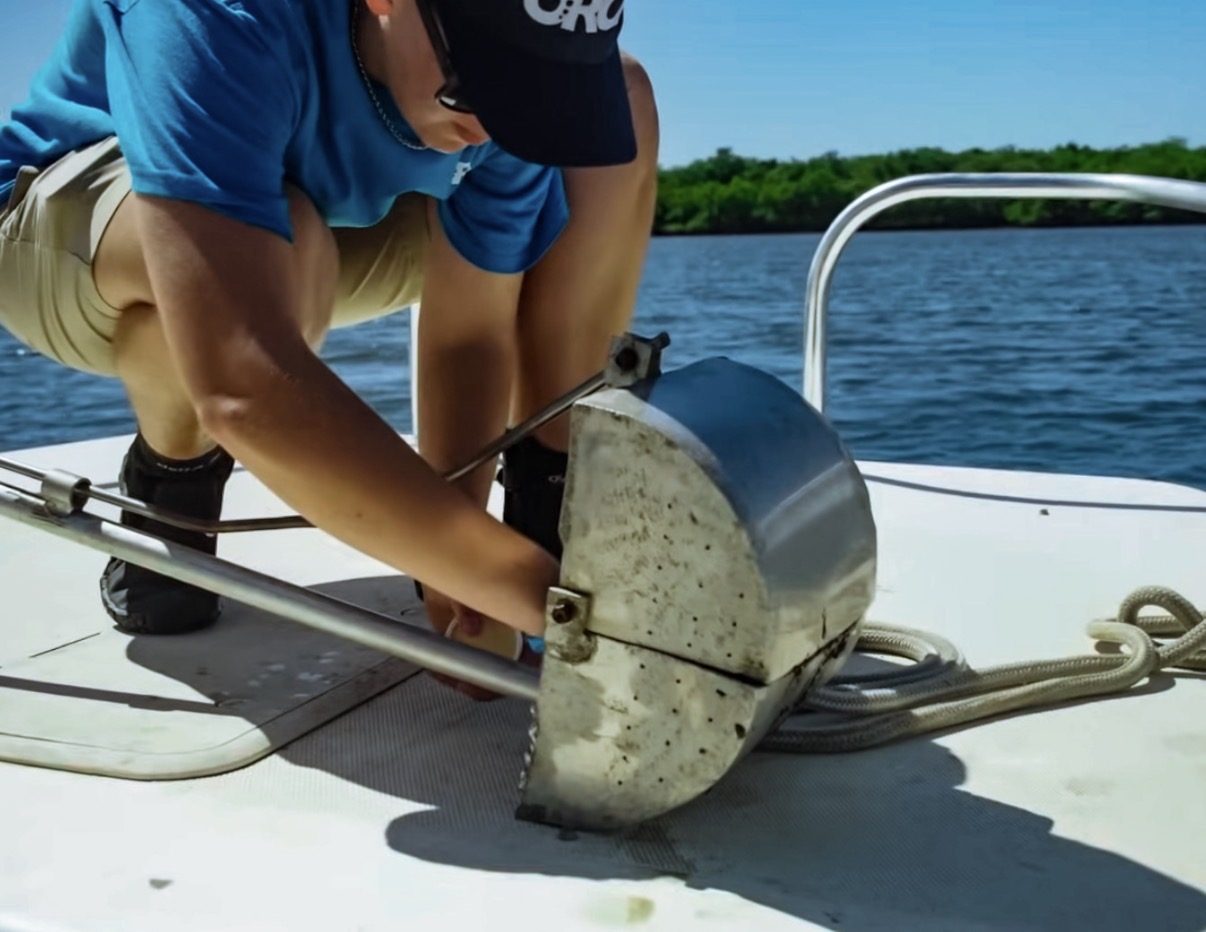
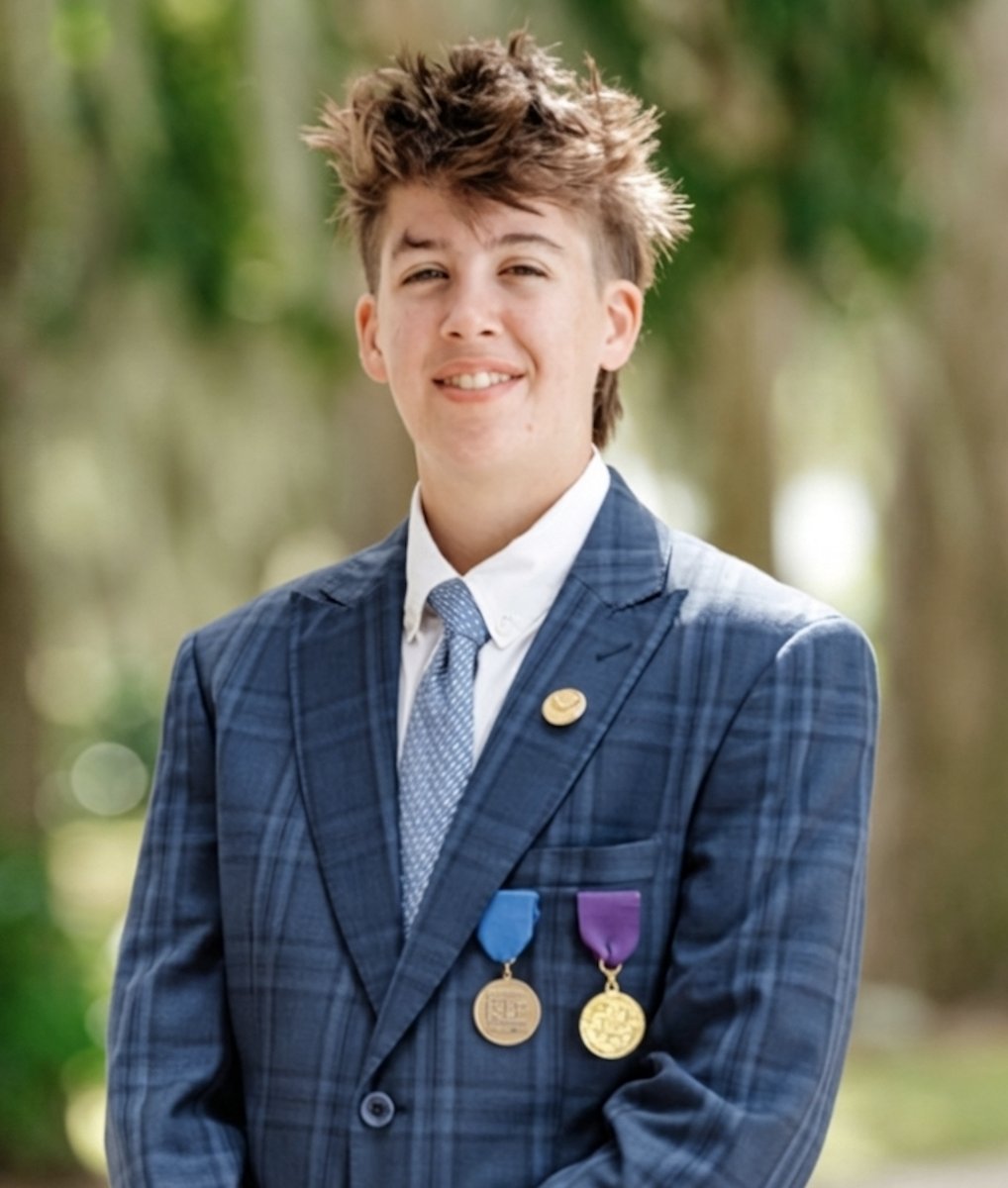
Sediment sampling in the Indian River Lagoon
-
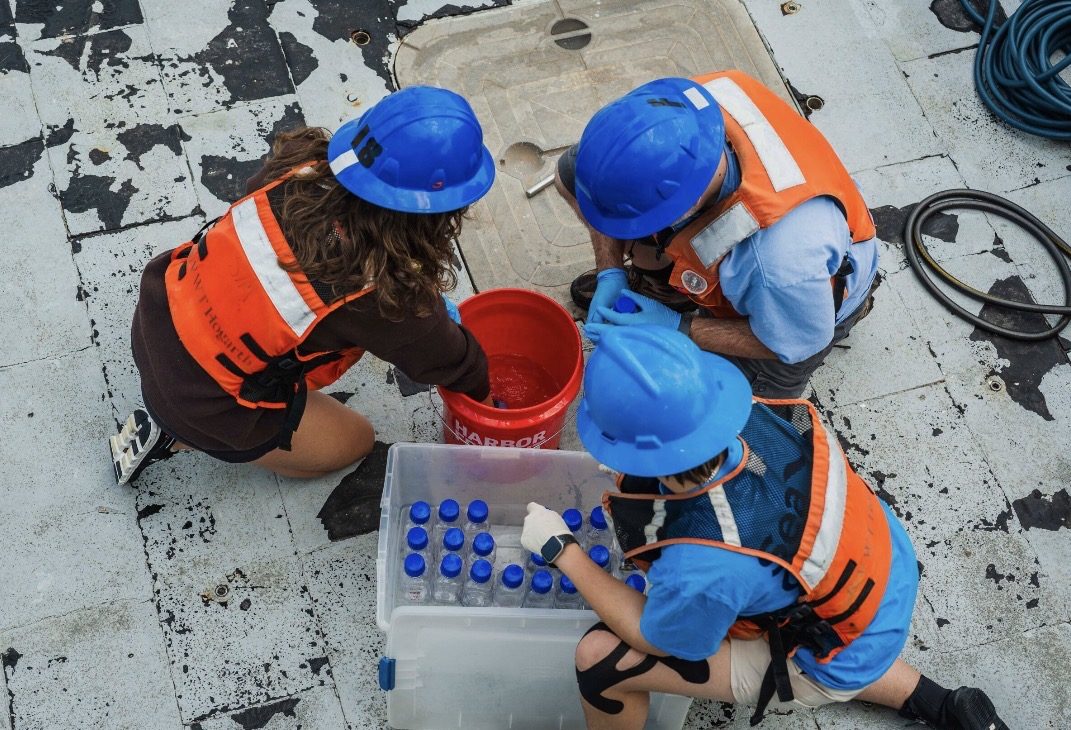
Water sampling at sea
-
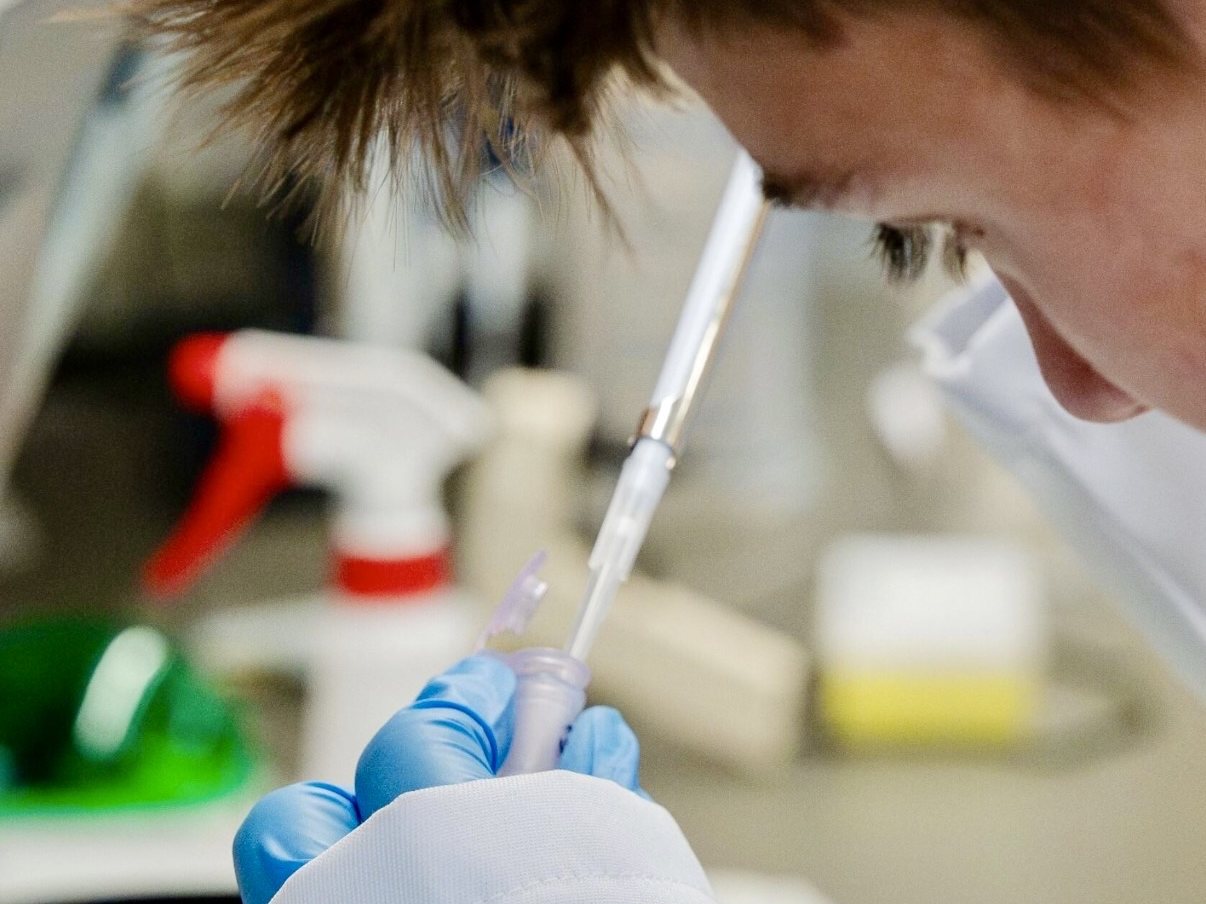
In the lab
-
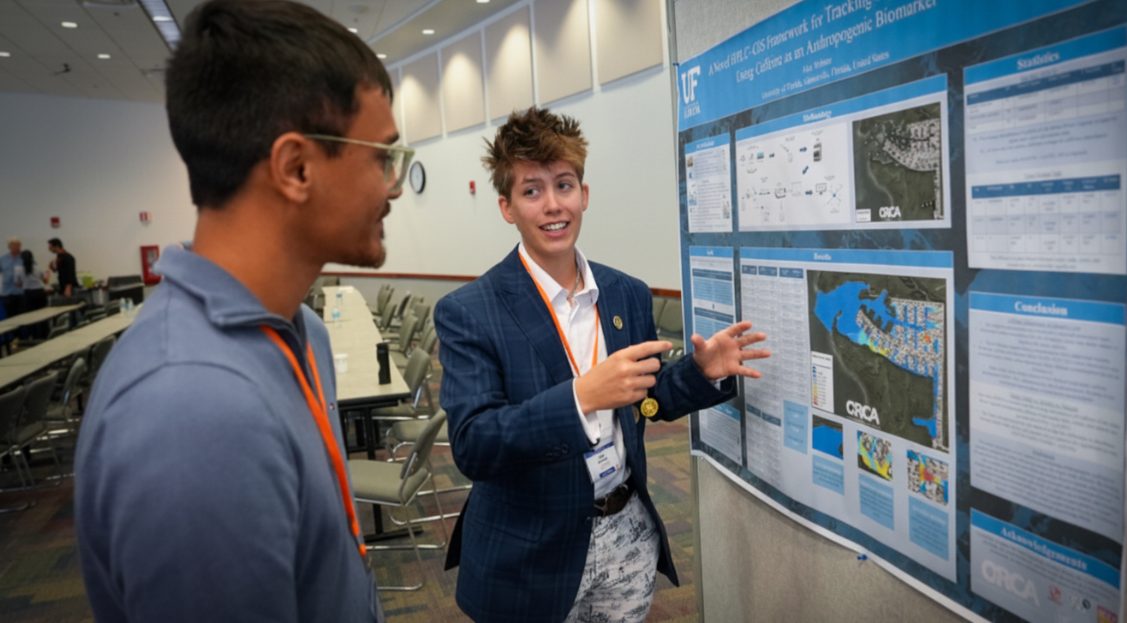
Presenting research
-
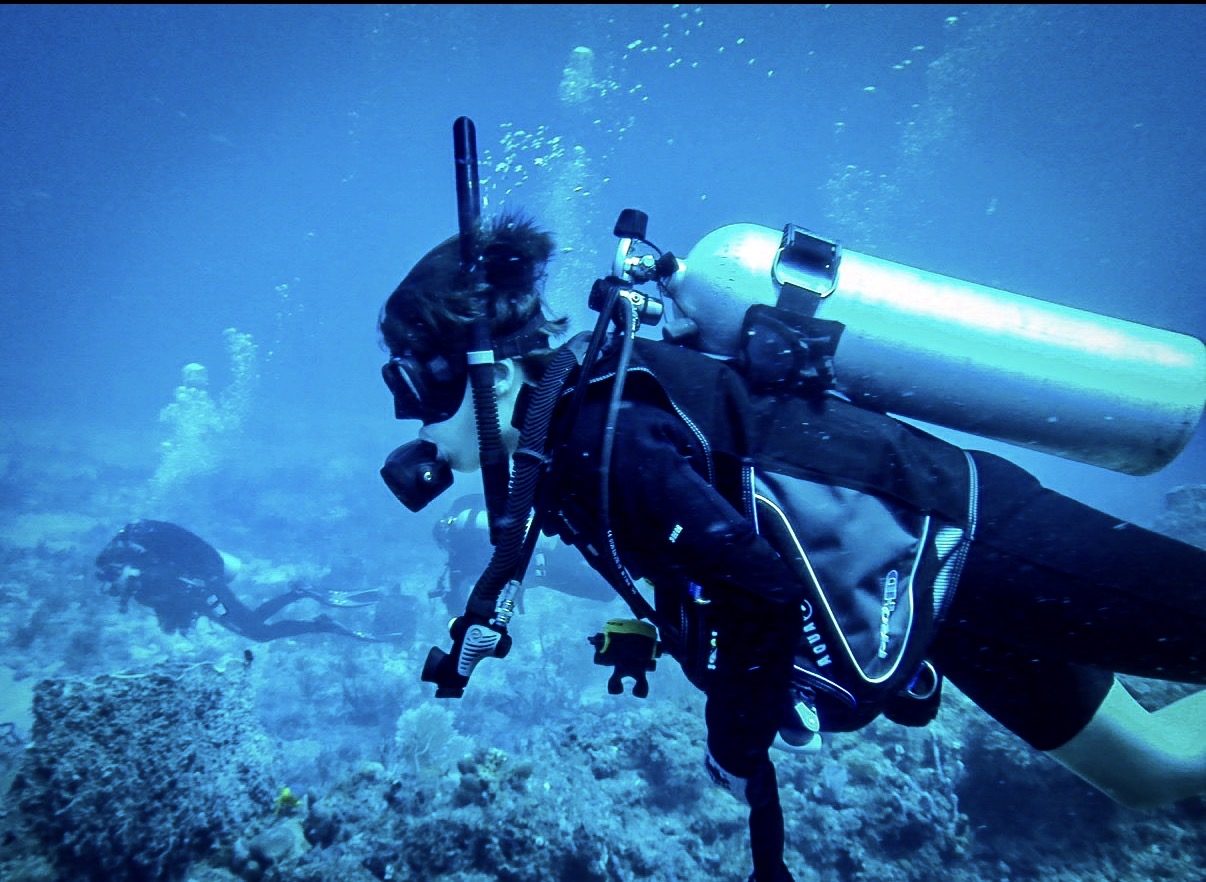
Underwater fieldwork
-
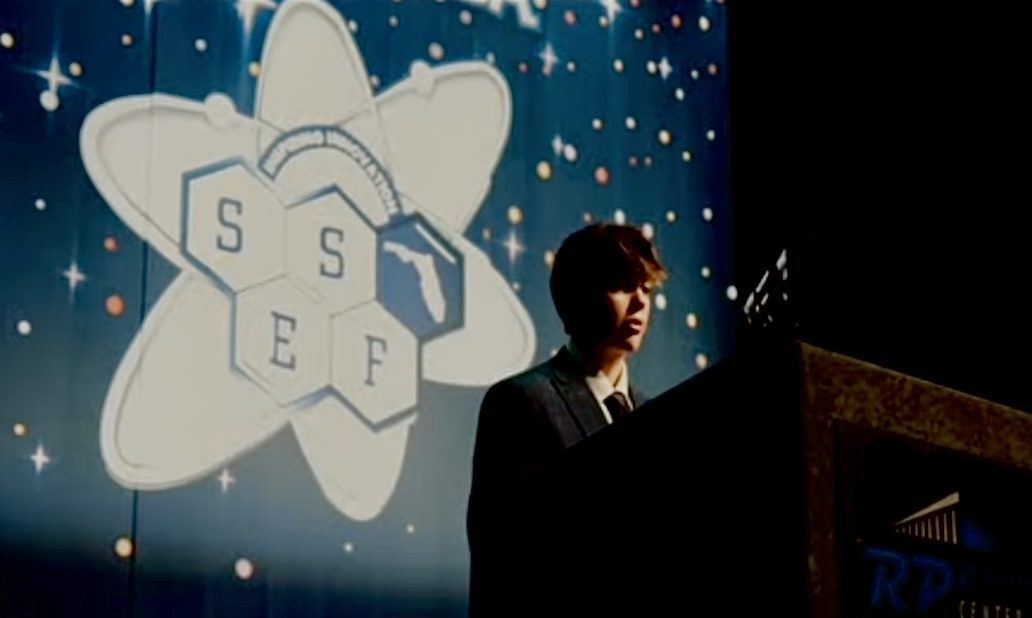
Speaking at the State Science and Engineering Fair
-
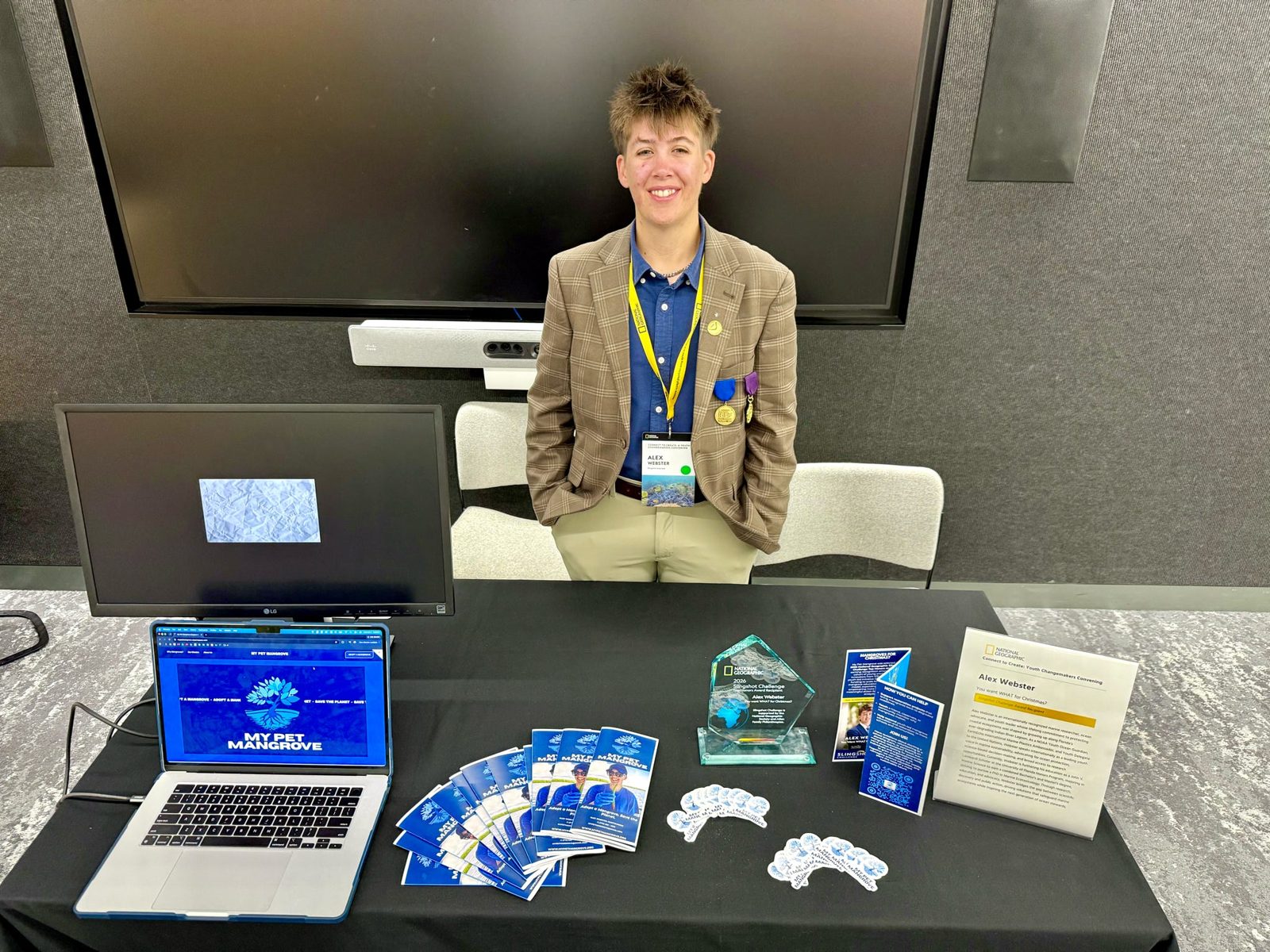
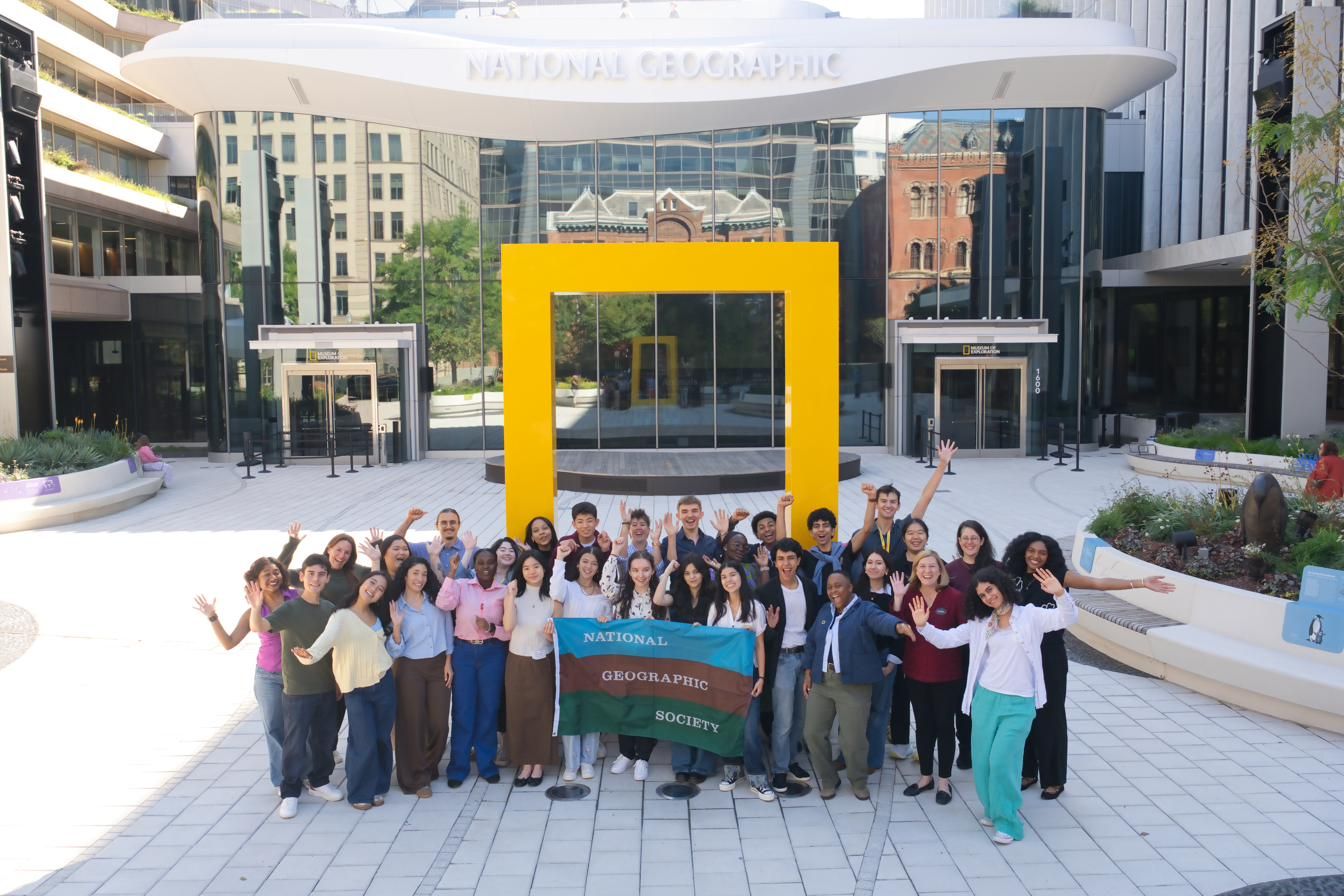
National Geographic Connect to Create convening
-
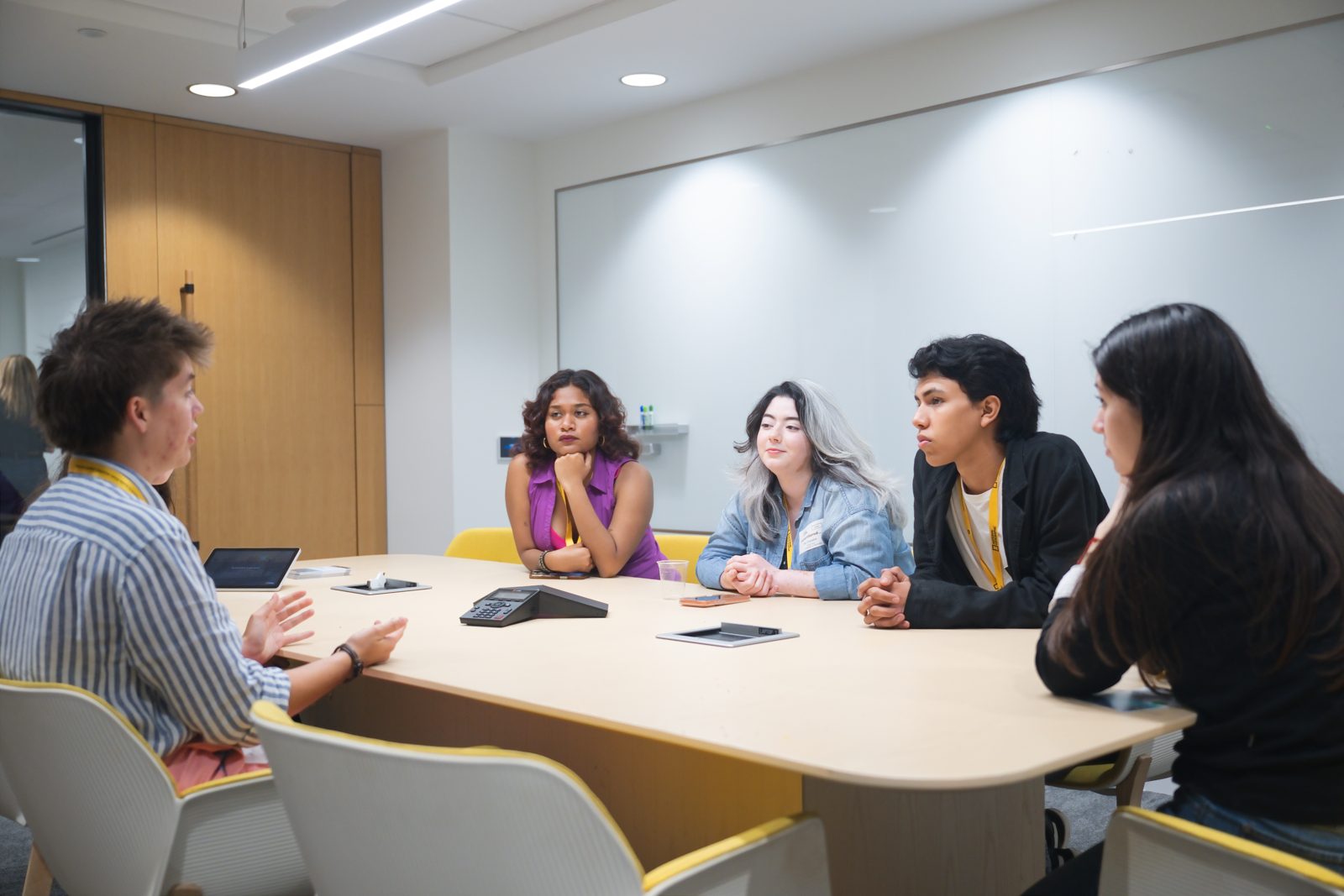
Sharing ideas at the Youth Changemakers Convening
-
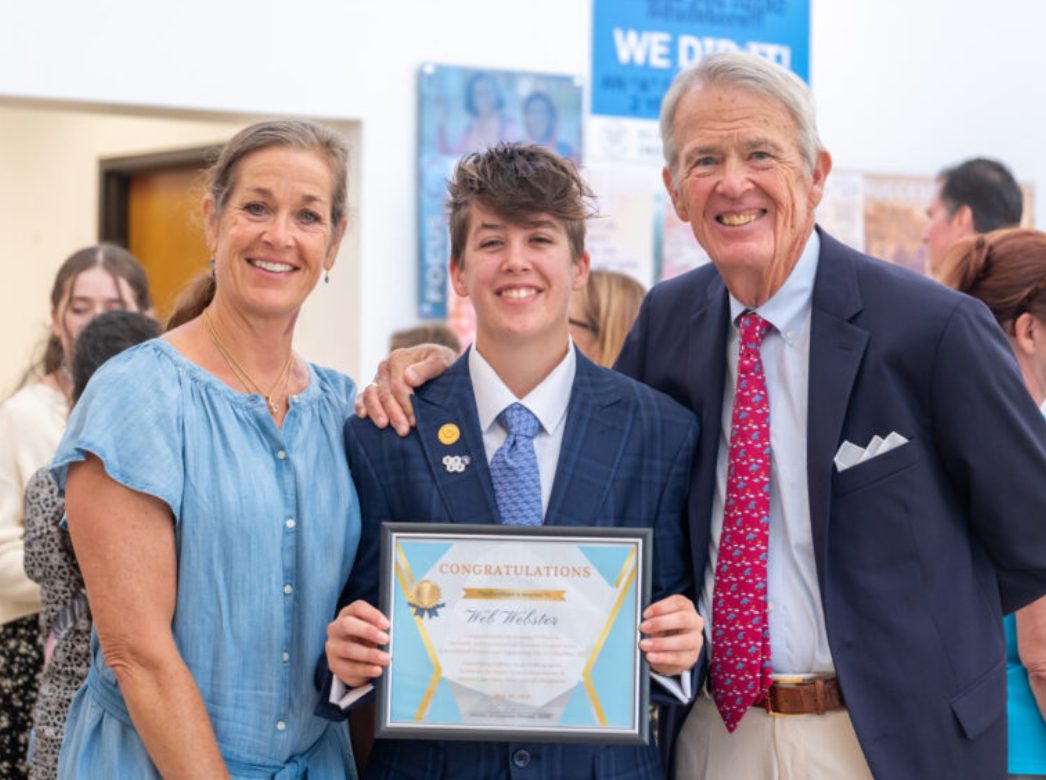
Recognized for community impact
You want WHAT for Christmas?
In 2026, My Pet Mangrove was one of five projects to receive Top Honors in the National Geographic Slingshot Challenge, chosen from more than 2,300 video submissions by 5,900+ young people in 104 countries. Each Top Honors project received $10,000.

Where the $10,000 goes
- More classrooms. Add 10 new classrooms by 2027.
- A teacher kit. Curriculum and materials so any teacher can run the program on their own.
- Community plantings. Planting days with restoration partners.
The goal is for every student in a coastal community to get to be a scientist and a steward.